Porcelain countertops are engineered from natural clay and minerals, then fired at blistering temperatures over 2,200°F. This intense process, known as sintering, fuses the particles together to create an ultra-dense, glass-like slab. It is resistant to stains, UV rays, water, impact, and heat, making it one of the ultimate surface choices.




CARE GUIDE
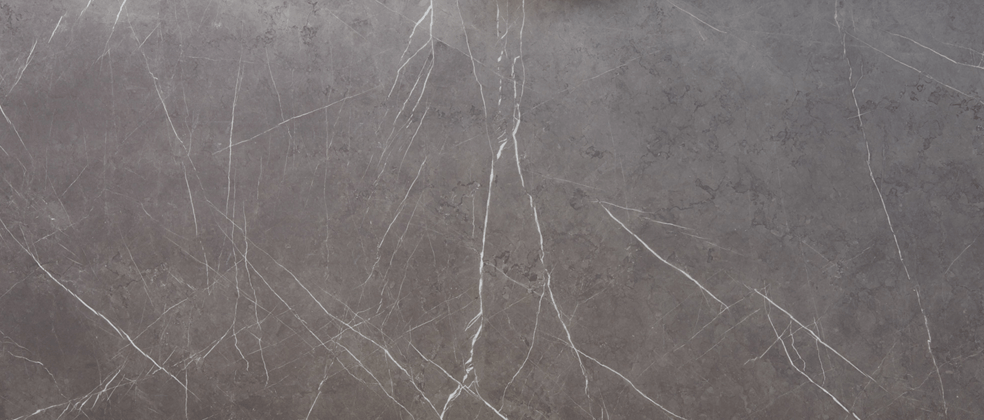
For daily cleaning of porcelain surfaces, use a few drops of pH-neutral cleaner or a mild dishwashing detergent with warm water. Wipe surfaces with a soft cloth and rinse thoroughly to avoid streaks.
For stains that harden as they dry, such as food or gum, gently scrape the material off the surface with a blade or putty knife, then wipe down with soap and warm water. For metal marks or other stubborn residues, a glass cooktop cleaner can be effectively used.
Porcelain exhibits exceptional resistance to extreme temperatures, both hot and cold. While the material itself is highly tolerant of heat, it is recommended to always use a trivet. This practice helps manage heat transfer to adjacent surfaces and ensures overall safety in the kitchen.
To prolong the life of knives, the use of a cutting board is always recommended. Cutting directly on porcelain surfaces can dull knives due to the material’s extreme hardness.